Photography or Art?
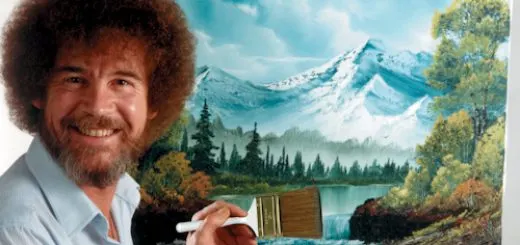
Given the recent internet storm surrounding a certain image (I will not name any names in case I am sued or something, although it’s not definitely Bob Ross…), it got me thinking. With the tools we have available to us with the likes of Lightroom and especially Photoshop, at what point does a “photograph” becomes “digital art”?
I am no stranger to making adjustments and manipulations to a photo I’ve taken. I shoot RAW, I take those RAW files into Lightroom and I make changes. I will increase the shadows, drop the highlights, alter the colour temperature and all sorts of other adjustments. Technically speaking, I have altered the image from what the camera has captured at that very specific moment, so does it remain a photograph, or has it wandered into the realms of digital art?
It is an interesting question, and one I think has no definitive answer and depends entirely on the individual, but also raises other moral questions; we will cover those in a minute. I will point out now, this is only my view and yours may well be different. That is the wonders of a debate, there are always multiple different viewpoints.
So, at what point does a “Photograph” become “Digital Art”?
For me, a photograph is a snapshot in time. How that snapshot looks exactly, is entirely down to the individual’s perception. My eyes see differently to how your eyes see and your eyes see differently to how someone else’s eyes see. That difference may be slight, or it may be huge. For example, I am colour blind (kind of awkward for a photographer…) so my perception of green is different to yours. If you and I stand in the exact same spot, with the exact same camera and take the exact same composition, we will likely end up with the exact same photograph. If however, I edit that photo to represent exactly what I saw (or rather perceived) at that moment in time, chances are it is going to look different yours. They are however, both photographs. They are our visual perceptions of the scene around us.
“But you mentioned editing; you can make a photo look way beyond what anybody could realistically see” I hear you shout from the back. While this is strictly true (and this is likely where opinions start to differ), I believe this still falls within the realms of a photograph. We agree that my eyes see differently to your eyes; well everyone’s eyes see different to how a camera sees. A camera can see and record a lot more information than a human eye can. If you shoot in RAW, all that information is present in that file and is available to use. If you are editing an image and manipulating just that information stored within that RAW file, that’s still a photograph. In my opinion, if the camera has seen it and recorded it, that means that it is conceivable that at least one human eye could see it in the exact same way.
What is not conceivable though is seeing something that was not even there in the first place (unless you have strange magical powers). If I take a photograph at midday on a dull cloudy day where the sun is not visible, and I add in a nice golden red sunset from another image, is that still a photograph? If I take a photo of a nightscape and I add in the moon from another photo, is that still a photograph? No human could have possibly perceived it; no camera could have possibly recorded that data. Essentially, if I add in any additional data not stored within that RAW file, it is a composite and therefore a piece of “Digital Art”.
There are, of course, grey areas which I think can swing either way. Is cloning out a piece of rubbish, or a couple who have unknowingly photobombed your carefully composed shot digital art? Probably not… You could have just cleared up that rubbish or asked the couple to move. Is making a model look different by cloning out their skin imperfections or narrowing their hips digital art? Probably so…
Again, I know what you are all shouting from the back… “Does it really matter though?” and you are right to ask that, and that leads me to the moral questions I alluded to earlier. Would you tell people it was a composite image or stay quiet in the hope they might not notice? Is there even anything wrong with not openly admitting, from the start, that an image is a composite?
At the end of the day, a pretty picture is a pretty picture and it being a composite or a piece of “Digital Art” does not make something any less wall-worthy. I have nothing against “Digital Art” but I do disagree with the common misrepresentation of it. If a picture is a composite, built from different elements from different photographs, be open and honest about it. Do not try to pass off something as a “Photograph”, stating it was straight out of camera and no editing was done whatsoever, as the people of the internet will see through it and will call you out on it. It will not help your credibility if you try to deceive people.
What are your thoughts? Where do you draw the line between a “photograph” and “digital art”? Do you even have a line or do you just want a pretty picture for the living room wall not care how it was done?
Leave a Reply