“It’s like stepping back in time…”
One of the most memorable photography experiences for me was an experiment I took part in, run by one of the magazines I shot for at the time. Myself and 11 other contributors were told to submit two photos. Just two. It did not exactly sound like much of a challenge but I accepted. It was only then that we were all told the rules of this experiment.
We would not be using any of our own kit; instead, we would be sent a camera to ‘test out’ in a way. We were all told that our pictures would be published, no matter how good or bad they may be. It made no sense, why would we submit bad photos? This should have been an alarm bell that something was not quite right.
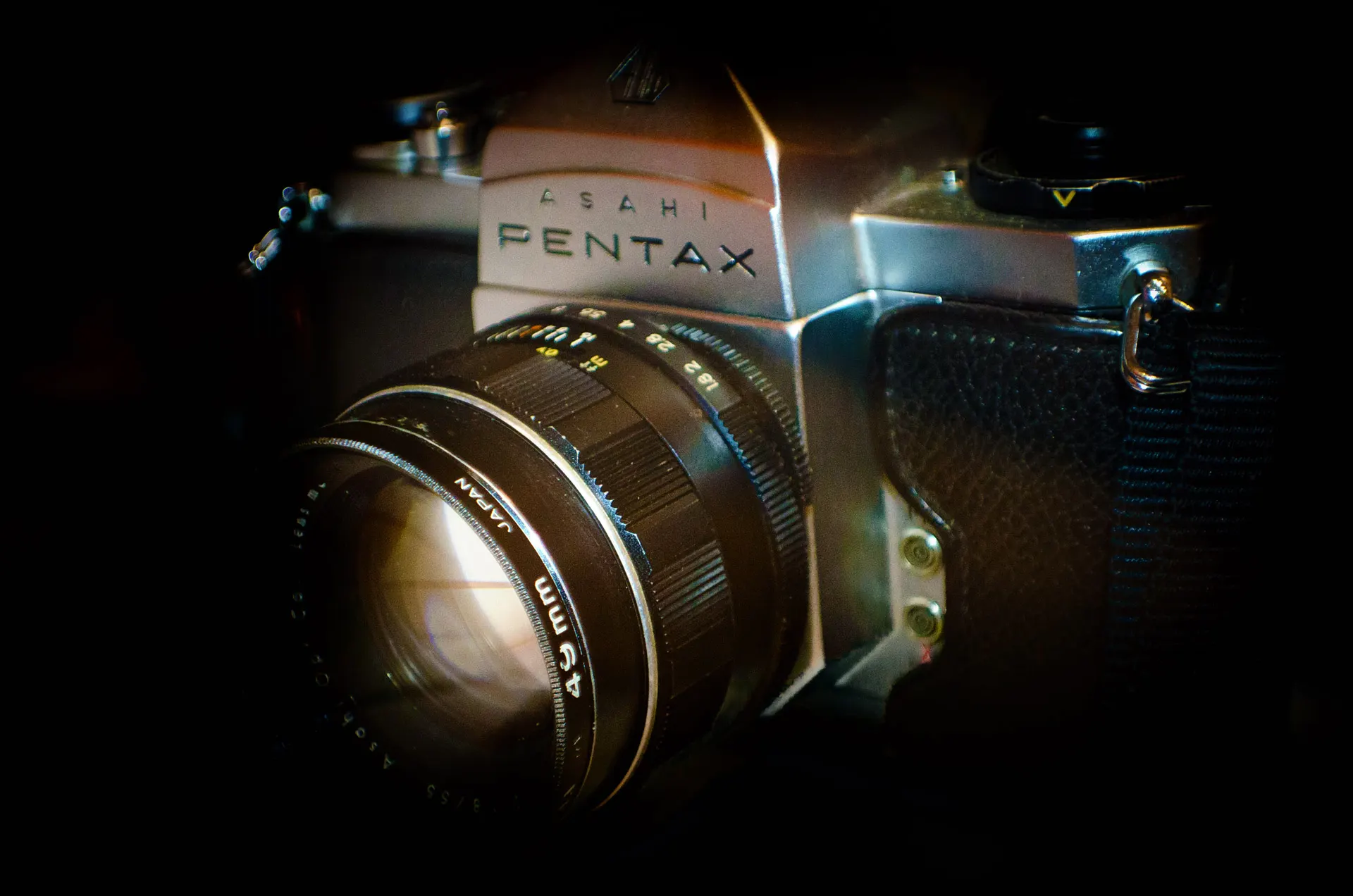
Around 6 weeks later, a wooden crate arrived. Inside the crate, nestled on a bed of fake straw, was one of the oldest cameras I had ever seen in the flesh. I cannot remember exactly what it was, but it was silver and black in construction, with a 50mm lens. If I had to guess, I would say 1960s or so. Attached to the camera was a note. All it said was
“Inside this camera is a 24 exposure, 35mm black and white film. 2 of those exposures are yours.
Use them wisely”
Suddenly, it all started to make sense. Twelve photographers, two exposures each. This was what they meant when they told us our pictures were going to be published no matter how bad they were. We were not going to choose our best photos from a pile of 2000; we had just two chances to stun the world before we sent the camera to the next victim. Worse still, we would not even know how good or bad our photos were until we received the magazine. Talk about pressure!
The challenge was greater than I had imagined. Everything was manual. It had a manual shutter, manual aperture and manual focusing. You even had to wind the film on to the next slide. No one under the age of 20 probably even knows what I am talking about! There is no auto-mode here, no 65 cross type AF points, no metering scale, no rapid burst and no Photoshop. Just you, and your ever fading confidence in your abilities. It is like stepping back in time! Anyone who has shot 35mm black and white before will know, you need a super bright day to get any definition and contrast. The slightest bit of overcast and your picture will come out as flat as a pancake, so you had to consider weather along with everything else.
Let me quantify this by saying, I was not prepared to embarrass myself in front of the whole world because I shot a crap photo. Call me resourceful, or a downright cheat, but I figured doing a few cheeky practice shots on a DSLR with a 50mm prime lens on would improve my chances of getting a better shot. I could evaluate the scene, the light and the composition in slow time. It was not as if I was taking a photo on auto, checking out the settings and then dialling them into the film camera! I was in full Manual, using the light meter to gauge and choosing the appropriate settings, and I got pretty close straight off the bat. It still would not show me exactly how my shot would come out on the black and white film, but I had a base line to go off.
You can call me a cheat if you like, but I can almost guarantee every other photographer did the same thing! No one wants to submit a poorly composed, flat, under exposed, blurry photo… And no one did! All the photos, including mine thankfully, looked fantastic. Each photographer was asked to write a few words about their journey through the challenge, and it made for a fantastic read, and made me think more about journalism. Would I do it again? Yes, in a heartbeat! It was a wonderfully unique challenge that made you think so much more about subject, about composition, about light. If you get the opportunity to try it, I highly recommend cheating!

Leave a Reply